

Energy efficiency in homes is more important than ever, both for reducing bills and for cutting our environmental impact. When it comes to windows, the right choice can make a substantial difference in heat retention, comfort, and overall energy performance. In this article, we’ll explore the most energy-efficient windows, how they work, and practical tips to choose and maintain them. By the end, you’ll have a clear understanding of why energy efficient windows matter and which options suit different homes.
Introduction to energy efficient windows
Windows are responsible for a significant portion of a home’s heat loss in winter and heat gain in summer. The terminology around windows can be confusing, but understanding a few key concepts helps you compare options effectively. Energy efficient windows focus on three main features: glazing (the number and type of glass panes), frame materials, and the overall design that minimises air leakage. When combined, these factors determine a window’s U-factor, solar heat gain coefficient (SHGC), air leakage rate, and visible light transmittance.
In the UK, energy efficiency standards are influenced by building regulations and energy performance certifications. While there isn’t a one-size-fits-all answer, some window types consistently deliver better performance in typical British climates. Let’s break down the main options.
Double glazing with low-emissivity coatings (low-e)
Double glazing remains the baseline standard for energy efficiency in many homes. The key upgrade is a low-emissivity (low-e) coating on one of the panes. This invisible coating reflects infrared radiation back into the room while allowing visible light to pass through. The result is reduced heat loss during cold months and less heat gain in summer, improving comfort and reducing heating and cooling costs.
- Pros: Easy upgrade, good all-round performance, relatively affordable.
- Cons: Not as effective as triple glazing in extreme climates; performance depends on the gas fill and spacer quality.
When combined with a warm edge spacer and inert gas fills such as argon or krypton, double glazing can achieve strong energy savings without a full window replacement. If you’re replacing windows, consider high-performance double glazing with multiple coatings for enhanced comfort.
Triple glazing: best for extreme conditions
Triple glazing adds a third pane of glass, increasing insulation and reducing heat transfer. This can be particularly beneficial in colder climates or homes with large areas of glazing. Modern triple-glazed units often use low-e coatings on one or more panes and may include krypton or xenon gas fills to maximise performance without making the frame excessively bulky.
- Pros: Superior thermal performance, better sound insulation, lower heating bills in cold seasons.
- Cons: Higher upfront cost, slightly heavier frames, potential for reduced visible light in some configurations.
If your property experiences significant temperature swings or you’re aiming for near-passive levels of comfort, triple glazing is a strong contender. It’s especially effective when paired with high-quality frames and careful installation to minimise thermal bridges.
Insulated and timber frames: reducing thermal bridging
Frame materials play a crucial role in the overall energy performance of a window. Traditional timber frames are excellent insulators and can be highly energy efficient when properly treated and maintained. However, modern alternatives include uPVC and aluminium composite frames with thermal breaks that reduce thermal bridging.
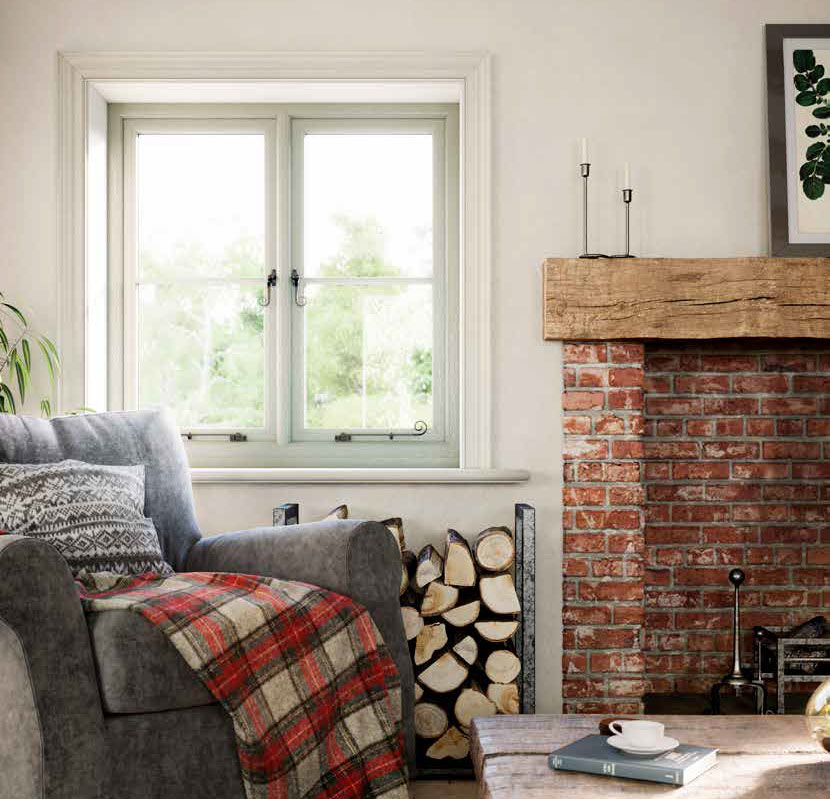
- Timber frames: Excellent natural insulation, aesthetic appeal, but require maintenance to prevent rot and to seal gaps. Checkout our uPVC Timber effect windows.
- uPVC frames: Cost-effective, good thermal performance, low maintenance, and often integrated with multi-chamber profiles.
- Aluminium frames with thermal breaks: Strong and slim, but can conduct heat if not properly insulated; modern thermal breaks mitigate this issue.
The combination of high-performance glazing and well-designed frames with thermal breaks is essential to achieve optimal energy efficiency. Look for frames with multiple chambers, low thermal transmittance, and gaskets that minimise air leakage.
The role of gas fills and spacers
Gas fills such as argon or krypton between panes reduce convective heat transfer and improve insulation. Krypton is denser and more effective in smaller air gaps, but its cost is higher. The spacer design, particularly warm edge spacers, also affects performance by reducing heat loss at the edge of the glass where most heat transfer occurs.
- Argon gas: Common, affordable, good for standard double glazing.
- Krypton gas: Higher performance in narrower gaps, best for high-efficiency installations.
- Warm edge spacers: Reduce thermal bridging around the edge of the glass, improving overall performance.
When considering energy efficient windows, ask your supplier about the complete specification: glazing type, gas fill, spacer design, and frame material. The synergy between these elements determines the true energy performance.
The importance of installation and air sealing
Even the best window can perform poorly if not installed correctly. Poor sealing around the frame can lead to air leakage, damp, and drafts. Professional installation ensures proper insulation, correct sizing, and alignment, minimising gaps where heat can escape or enter.
- Sealant selection and interior/exterior finishes matter for long-term performance.
- Flashing and ventilation considerations help manage condensation.
- Correct operation of trickle vents and internal shading devices can influence energy performance.
If retrofitting, consider an infrared thermography survey to identify cold spots and ensure your retrofit delivers the expected energy savings.
Energy performance ratings and how to compare
When shopping for energy efficient windows, you’ll often come across ratings and certifications. In the UK, look for products that comply with current building regulations and energy performance standards. Key metrics to compare include:
- U-factor (or U-value): Lower is better; it measures heat transfer through the window.
- SHGC (Solar Heat Gain Coefficient): Lower SHGC reduces unwanted heat from sun in warm climates, but the optimal value depends on your climate and orientation.
- Air leakage: Lower air leakage means fewer drafts.
- Visible transmittance (VT): How much natural light the window lets in; higher is usually preferable for daylighting.
Choose windows that balance heat loss prevention with daylighting and aesthetics for your home.
Practical guidance: choosing and maintaining energy efficient windows
- Assess your climate and orientation: In the UK, a balance of insulation and daylight is important. In northern regions, prioritise low U-values; in sunnier areas, consider SHGC and shading strategies.
- Don’t neglect shading: Exterior blinds, reflective films, and proper landscaping can reduce cooling loads.
- Maintenance matters: Regular cleaning, gasket inspection, and prompt repair of any seal failures help maintain performance.
- Consider incentives: Government schemes or local energy efficiency programs may offer subsidies or rebates for high-performance windows.
If you’re upgrading, plan for professional measurement and installation to ensure you get the claimed performance from your energy efficient windows.
Final thoughts
Energy efficient windows are a cornerstone of a well-insulated home. Double glazing with low-emissivity coatings offers a solid, cost-effective upgrade for many properties, while triple glazing provides peak performance in more extreme conditions. Frame materials with good thermal breaks, gas-filled panes, and advanced spacers all contribute to superior energy performance. Remember that installation quality and proper sealing are equally important to realise the full benefits. By understanding the options and matching them to your climate and budget, you can significantly reduce heat loss, improve comfort, and lower energy bills with the right energy efficient windows.
Want to know more?
Addition or Refurb.. Our WARMroof is the most insulated roof in the UK market.
We stand by the quality of our products and are committed to ensuring your satisfaction. Invest with confidence, knowing that it’s built to last.
We work with some of the best UK and European door manufacturers. Please speak to our friendly team for a free, no-pressure quote here.